
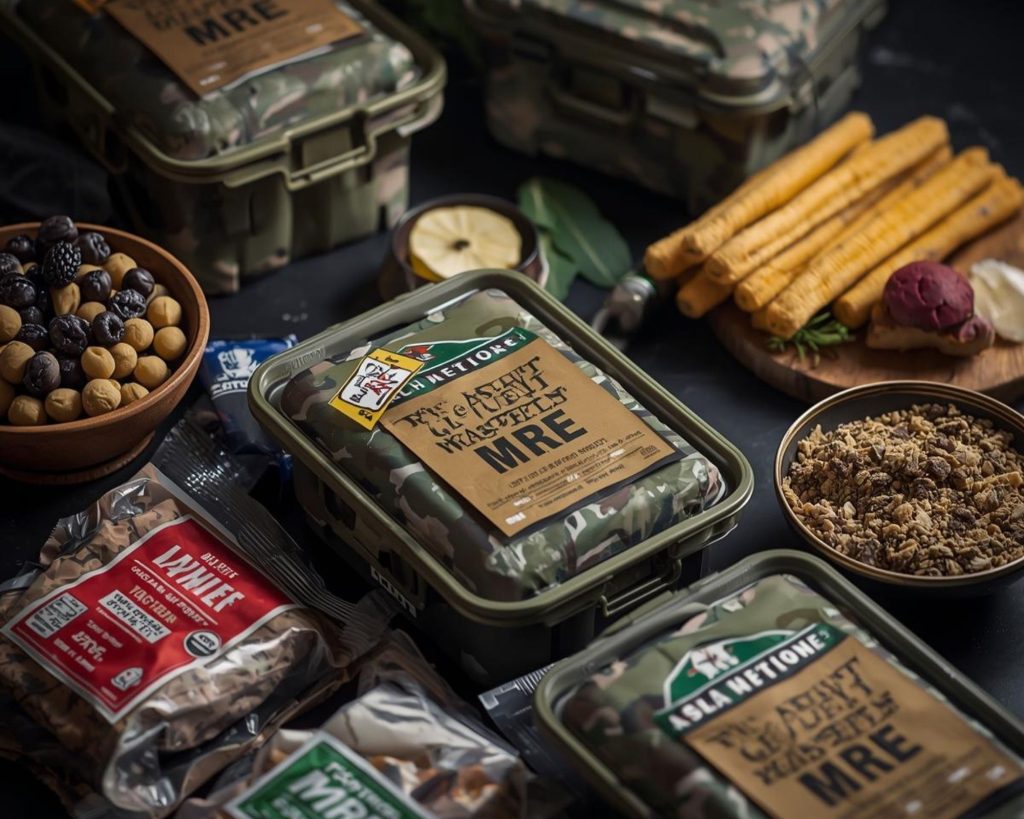
Nutrition is a critical factor in military readiness. Troops deployed in the field require food that is durable, portable, and nutritionally balanced. Meals Ready to Eat (MREs) have become the standard solution, designed to sustain personnel during operations where traditional food supply chains are impractical. Beyond convenience, MREs represent a logistical innovation that supports efficiency, compliance, and operational success.
What Makes MREs Essential
MREs are specifically engineered to meet the demands of military environments. They are lightweight, long‑lasting, and easy to transport. Each meal is nutritionally balanced, providing sufficient calories and essential nutrients to sustain personnel during strenuous activity. Packaging is designed to withstand extreme conditions, ensuring that food remains safe and edible even in harsh climates.
For defence suppliers, MREs are more than just rations; they are a logistical solution that supports operational efficiency. Reliable nutrition ensures that troops remain focused, resilient, and capable of performing their duties effectively.
Challenges in Field Nutrition
Despite their effectiveness, MREs present certain challenges.
Taste and Variety: Troops often report fatigue from repetitive menus. Maintaining morale requires variety and innovation in meal options.
Cost and Procurement: Producing high‑quality, durable meals can be expensive. Governments must balance affordability with nutritional standards.
Storage and Distribution: While MREs are designed for durability, improper storage or transport can compromise quality. Secure logistics are essential to maintain effectiveness.
Compliance Requirements: MREs must meet national and international food safety standards. Suppliers must navigate regulatory frameworks to ensure lawful procurement.
Innovations in MRE Development
Recent innovations are addressing these challenges.
Improved Nutrition: Modern MREs incorporate healthier ingredients, reducing sodium and increasing protein and fibre.
Menu Diversity: Suppliers are expanding options to include vegetarian, halal, and culturally specific meals, improving acceptance among diverse forces.
Enhanced Packaging: Advances in packaging technology extend shelf life and improve portability.
Self‑Heating Systems: Some MREs now include flameless ration heaters, allowing troops to enjoy hot meals without external equipment.
Private Sector Expertise: Authorised suppliers play a vital role in delivering compliant MREs. Their involvement ensures that meals meet safety standards and are distributed responsibly.
Impact on Operations
The availability of reliable nutrition has direct implications for military readiness. Troops with access to balanced meals are more resilient, focused, and capable of sustaining prolonged operations. MREs also reduce logistical burdens, eliminating the need for complex cooking facilities in the field.
In peacekeeping and humanitarian missions, MREs support not only troops but also civilians in crisis situations. Their durability and portability make them an effective solution for emergency food distribution.
Conclusion
Meals Ready to Eat are more than just rations; they are a strategic tool that supports military readiness, logistical efficiency, and humanitarian response. Challenges such as taste, cost, and compliance remain, but innovations in nutrition, packaging, and menu diversity are reshaping the future of field nutrition.
For governments, law enforcement agencies, and authorised suppliers, the path forward lies in investing in reliable, compliant, and innovative MRE solutions. By doing so, nations can ensure that troops remain nourished, resilient, and prepared for the demands of modern operations.
Please contact us to find out how we can assist you.