
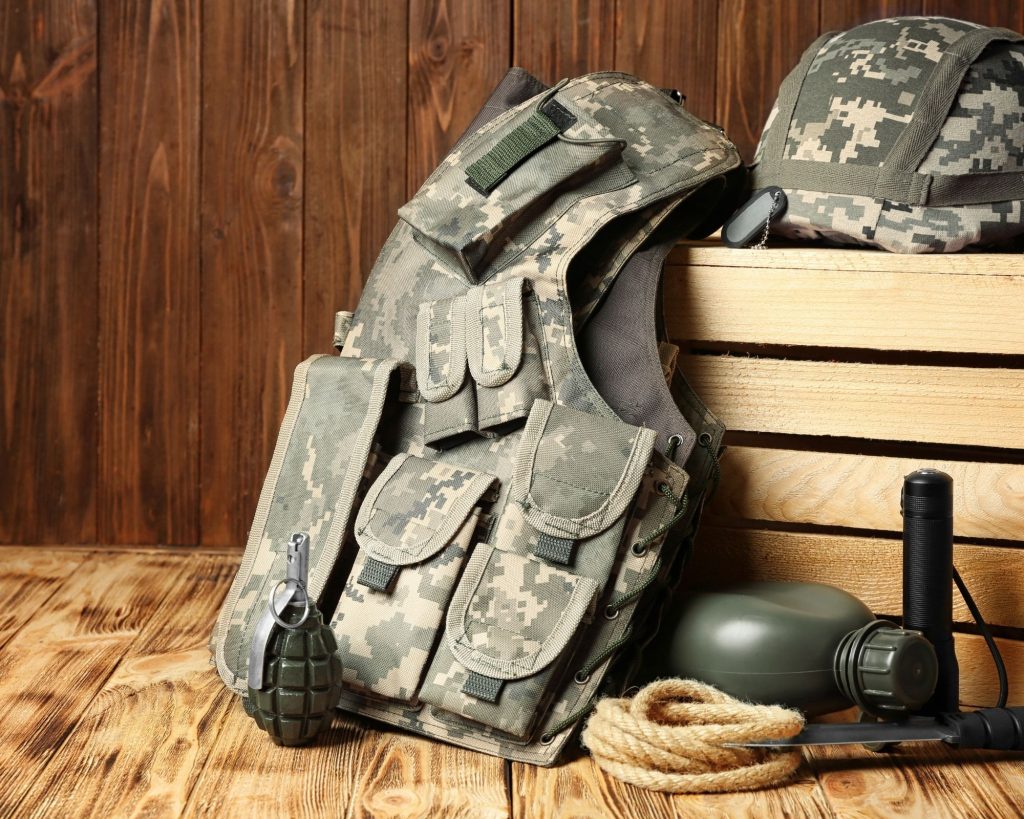
Tactical gear is the frontline equipment that enables soldiers, law enforcement officers, and peacekeepers to operate effectively in challenging environments. From protective clothing and helmets to communication devices and modular load‑bearing systems, tactical gear is evolving rapidly. The future of this sector will be shaped not only by innovation but also by strict compliance with national and international regulations. For governments and authorised suppliers, understanding these dynamics is essential to strengthening readiness and credibility.
Shifting Demands in Modern Operations
Operational environments are becoming more complex. Personnel must be prepared for urban unrest, counter‑terrorism missions, and peacekeeping deployments in remote regions. Tactical gear must therefore be versatile, durable, and adaptable.
The demand for lightweight materials, integrated communication systems, and modular designs reflects the need for flexibility. Gear is no longer just protective; it is part of a broader system that enhances situational awareness and operational efficiency.
Innovations Driving Change
Several innovations are redefining tactical gear:
Advanced Materials: Lightweight composites and smart fabrics improve protection while reducing fatigue.
Integrated Technology: Helmets and vests now incorporate communication systems, sensors, and cameras, enhancing coordination and situational awareness.
Modular Designs: Load‑bearing systems allow personnel to customise gear for specific missions, improving adaptability.
Enhanced Ergonomics: Gear is increasingly designed with comfort and mobility in mind, reducing strain during prolonged operations.
Sustainability: Manufacturers are exploring eco‑friendly materials and production methods, aligning with broader environmental goals.
Compliance Considerations
Innovation must be balanced with compliance. Tactical gear is subject to strict export controls and procurement regulations. Suppliers must ensure that equipment is distributed only to authorised clients and that documentation such as end‑user certificates is in place.
International treaties, including the Arms Trade Treaty, require transparency and accountability in procurement. Compliance is not simply a legal obligation; it is a strategic advantage that builds trust with regulators and international partners.
Challenges Ahead
Despite progress, several challenges remain:
Cost: Advanced gear can be expensive, limiting access for nations with constrained budgets.
Training Requirements: Sophisticated equipment demands skilled operators. Without proper training, gear may be underutilised.
Regulatory Complexity: Navigating diverse national laws and international frameworks requires expertise and careful documentation.
Public Perception: The use of advanced tactical gear by law enforcement can raise questions about accountability and proportionality.
Opportunities for Governments and Suppliers
The future of tactical gear presents opportunities to strengthen defence and peacekeeping operations.
Capacity Building: Investment in training ensures that personnel can use advanced gear effectively.
Regional Cooperation: Harmonising procurement standards across African nations reduces duplication and strengthens collective security.
Private Sector Expertise: Authorised suppliers play a vital role in delivering compliant gear and logistical support.
Humanitarian Applications: Beyond military use, tactical gear supports disaster response and humanitarian missions, providing protection and communication in volatile environments.
Conclusion
Tactical gear is evolving into a sophisticated system that enhances protection, communication, and adaptability. Innovations in materials, technology, and design are reshaping the field, while compliance frameworks ensure lawful procurement and international credibility.
For governments, law enforcement agencies, and authorised suppliers, the path forward lies in combining innovation with strict adherence to regulations. By investing in advanced, compliant, and adaptable gear, nations can strengthen readiness, support peacekeeping missions, and build trust with international partners. The future of tactical gear will be defined by resilience, responsibility, and innovation.
Please contact us to find out how we can assist you.