
Sustainability is no longer a peripheral issue in the defence industry. In 2026, governments and authorised suppliers are increasingly focused on integrating eco‑friendly practices into procurement. From energy‑efficient vehicles to recyclable packaging, green technologies are reshaping defence supply chains. Sustainable procurement is not only about reducing environmental impact; it is also about compliance, innovation, and building international credibility.
Why Sustainability Matters in Defence
Defence operations consume vast resources, from fuel and food rations to vehicles and communication systems. Traditional procurement practices often generate significant environmental impact, including emissions, waste, and resource depletion.
Sustainable procurement addresses these challenges by prioritising eco‑friendly technologies and practices. Governments that adopt green strategies demonstrate responsibility, strengthen international partnerships, and align with global sustainability goals. For suppliers, sustainability is a competitive advantage, positioning them as trusted partners in modern defence procurement.
Key Areas of Green Innovation
Several innovations are driving sustainability in defence procurement:
Energy‑Efficient Vehicles: Hybrid and electric military vehicles reduce fuel consumption and emissions.
Renewable Energy Integration: Solar and wind power systems support bases and field operations, reducing reliance on fossil fuels.
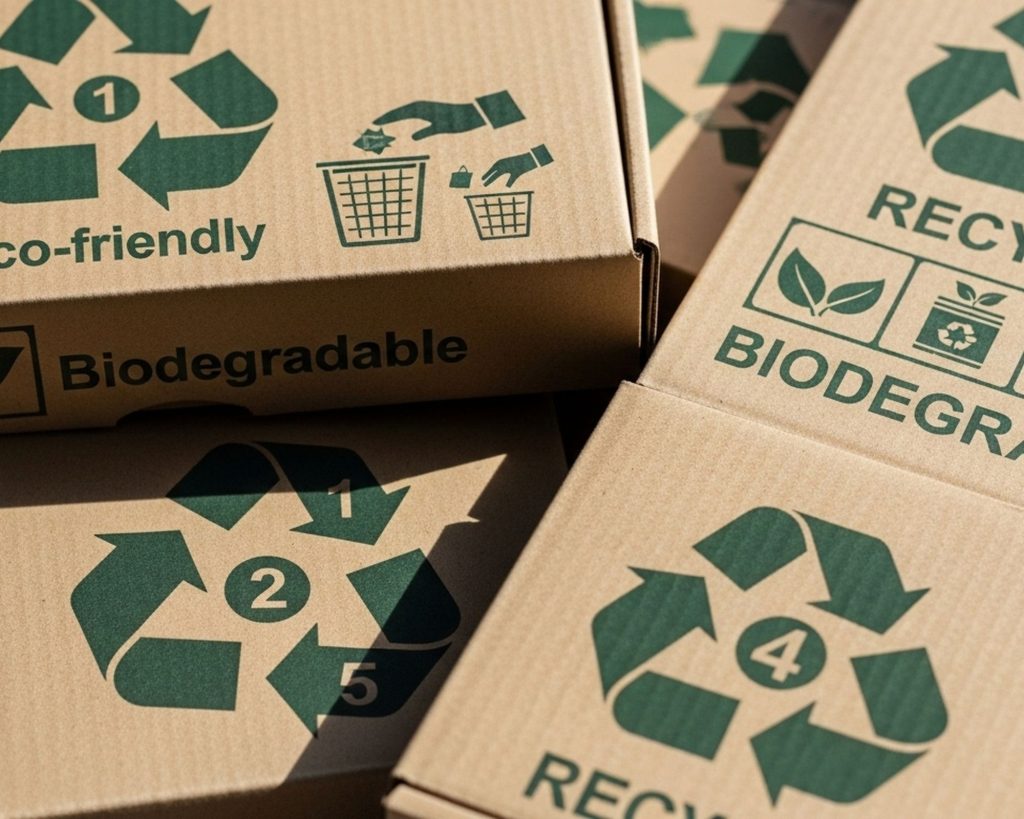
Eco‑Friendly Packaging: Recyclable and biodegradable materials are replacing traditional packaging in meals ready to eat (MREs) and other supplies.
Smart Logistics: AI‑driven predictive supply chains optimise routes, reducing fuel use and environmental impact.
Sustainable Materials: Lightweight composites and eco‑friendly fabrics are being used in tactical gear and protective equipment.
Challenges in Implementation
Despite progress, sustainable defence procurement faces challenges.
Cost: Green technologies can be expensive, limiting access for nations with constrained budgets.
Infrastructure Limitations: Renewable energy systems require reliable infrastructure, which may be lacking in remote regions.
Regulatory Complexity: Procurement must comply with both environmental standards and defence regulations, adding layers of responsibility.
Training Requirements: Personnel must be trained to operate and maintain eco‑friendly systems effectively.
Operational Risks: In conflict zones, reliance on renewable energy may be vulnerable to disruption.
Opportunities for Governments and Suppliers
Sustainability presents significant opportunities for governments and authorised suppliers.
International Credibility: Nations that adopt green procurement strengthen their reputation as responsible participants in the global arms trade.
Innovation Leadership: Suppliers who invest in eco‑friendly technologies position themselves at the forefront of industry innovation.
Capacity Building: Training and infrastructure investment enable governments to manage sustainable procurement more effectively.
Peacekeeping Missions: Green technologies support humanitarian operations by reducing environmental impact and demonstrating accountability.
Regional Cooperation: Harmonising sustainability standards across African nations strengthens collective security and environmental responsibility.
Implications for Defence and Humanitarian Operations
Sustainable procurement enhances both military readiness and humanitarian credibility. Eco‑friendly vehicles, packaging, and energy systems reduce logistical burdens while protecting the environment. In peacekeeping missions, sustainability demonstrates responsibility and builds trust with local communities.
By adopting green technologies, governments and suppliers contribute to broader global sustainability goals while strengthening operational effectiveness.
Conclusion
Sustainable defence procurement is a defining trend in 2026. Innovations in energy‑efficient vehicles, renewable energy, and eco‑friendly packaging are reshaping supply chains. Challenges such as cost, infrastructure, and regulatory complexity remain, but opportunities through innovation, cooperation, and private sector expertise are driving progress.
For governments, law enforcement agencies, and authorised suppliers, the path forward lies in integrating sustainability into procurement strategies. By investing in green technologies and lawful practices, nations can strengthen military readiness, support peacekeeping missions, and build trust with international partners. The future of defence procurement will be defined by responsibility, resilience, and innovation.
Please contact us to find out how we can assist you.