
Maintaining public order is one of the most challenging responsibilities for law enforcement agencies. In volatile situations, riot control equipment provides officers with the tools they need to protect themselves, safeguard communities, and restore stability. From protective gear to non‑lethal munitions, the effectiveness of riot control depends not only on the equipment itself but also on how it is deployed. Best practices emphasise lawful use, compliance with regulations, and a balance between security and accountability.
The Equipment Landscape
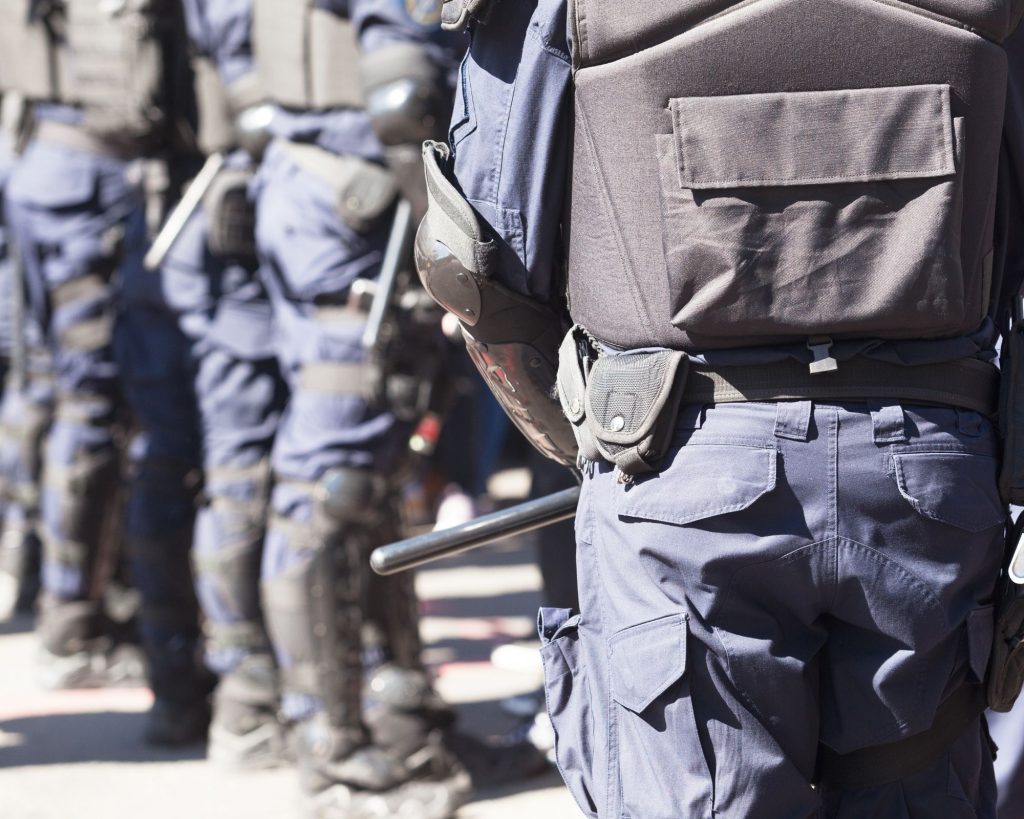
Modern riot control equipment encompasses a wide range of tools. Protective gear such as helmets, shields, and body armour safeguard officers from projectiles and physical assault. Non‑lethal munitions, including tear gas, rubber bullets, and stun grenades, provide options for dispersing crowds without resorting to lethal force. Communication systems ensure coordination among units, while vehicles enable rapid deployment and mobility.
Suppliers play a critical role in providing reliable, compliant equipment to authorised agencies. By adhering to export controls and requiring end‑user certification, suppliers reinforce lawful procurement and strengthen trust in the supply chain.
Operational Challenges
Deploying riot control equipment is not without difficulties.
Public Perception: The use of riot control tools can be controversial. Misuse or excessive force undermines public trust and damages the credibility of law enforcement agencies.
Training Requirements: Effective use of equipment demands thorough training. Without proper instruction, officers may misuse tools, leading to unintended harm.
Compliance Obligations: Equipment must meet national and international standards. Navigating regulatory frameworks adds complexity to procurement and deployment.
Resource Constraints: Advanced protective gear and non‑lethal munitions can be costly, limiting access for agencies with restricted budgets.
Operational Risks: Riot situations are unpredictable. Even with equipment, officers face significant danger when managing volatile crowds.
Best Practices for Lawful and Effective Use
Law enforcement agencies can adopt several best practices to ensure riot control equipment is used responsibly.
Clear Guidelines: Establishing policies on when and how equipment may be used prevents misuse and ensures accountability.
Comprehensive Training: Officers must be trained not only in the technical use of equipment but also in crowd psychology, de‑escalation techniques, and lawful engagement.
Transparency: Documenting and reporting the use of riot control tools builds trust with regulators and the public. Transparency demonstrates that equipment is deployed responsibly and within legal frameworks.
Integration with Communication Systems: Secure communication ensures coordination among units, reducing risks and improving operational effectiveness.
Private Sector Support: Authorised suppliers provide compliant equipment and logistical expertise. Their involvement ensures that agencies have access to reliable tools while maintaining adherence to export controls.
Implications for Public Trust
The lawful and responsible use of riot control equipment has direct implications for public trust. Communities are more likely to support law enforcement when they see that equipment is used proportionately and transparently. Conversely, misuse erodes confidence and can escalate tensions.
By adopting best practices, agencies demonstrate professionalism and commitment to lawful operations. This strengthens relationships with communities and enhances the credibility of law enforcement institutions.
Conclusion
Riot control equipment is essential for maintaining public order, but its effectiveness depends on responsible deployment. Challenges such as public perception, training requirements, and compliance obligations remain, yet opportunities exist through clear guidelines, transparency, and private sector support.
For law enforcement agencies, the path forward lies in combining operational expertise with strict adherence to legal frameworks. By investing in training, secure communication, and compliant procurement, agencies can ensure that riot control equipment is used lawfully, effectively, and in a way that strengthens public trust.
Please contact us to find out how we can assist you.