
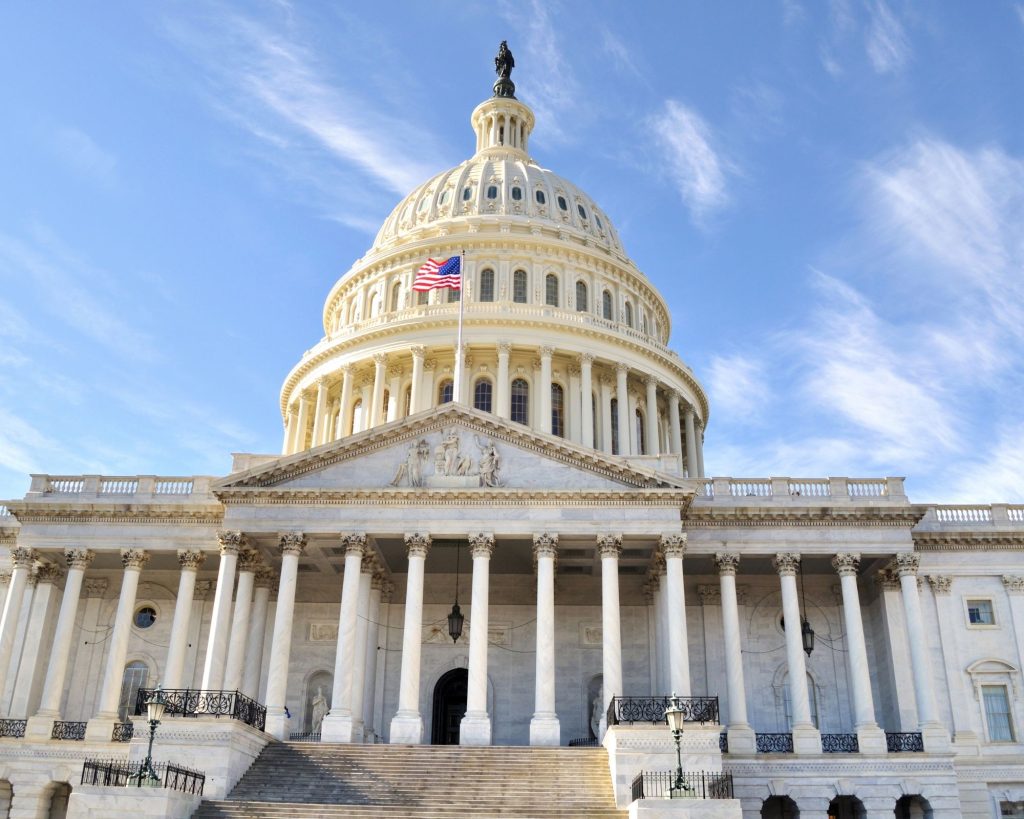
In 2026, the United States restructured its defence apparatus under the newly established Department of War (DOW). This reorganisation marks a significant departure from the long‑standing Department of Defense model, reflecting a shift in priorities towards homeland resilience, deterrence against China, and modernisation of procurement frameworks.
For governments, suppliers, and international partners, the creation of the DOW signals a new era in defence procurement, compliance, and strategic engagement.
Historical Context
The Department of Defense was created in 1947 to unify the armed services under a single civilian authority. For decades, it managed procurement, strategy, and military operations. However, critics argued that bureaucratic inefficiencies and outdated frameworks hindered innovation.
The establishment of the Department of War in 2026 represents a return to a more centralised, mission‑driven approach. While controversial, the restructuring aims to streamline procurement, strengthen compliance, and accelerate technological integration.
Strategic Priorities
The DOW has outlined several key priorities:
- Homeland Defence: Strengthening resilience against cyber and physical threats.
- Deterrence Against China: Countering Beijing’s military modernisation and global ambitions.
- Allied Burden Sharing: Encouraging partners to contribute more to collective security.
- Technology Integration: Investing in artificial intelligence, counter‑UAS systems, and advanced logistics platforms.
These priorities reflect a broader shift towards proactive defence and global leadership.
Procurement and Compliance Reform
One of the most significant changes under the DOW is the overhaul of procurement frameworks.
- Transparency: New acquisition systems emphasise clear documentation and supplier accountability.
- Innovation: Greater investment in AI, cyber resilience, and sustainable procurement.
- Export Controls: Strengthened frameworks ensure lawful distribution of US defence equipment.
- Industrial Base Reform: Overhauling regulations to support compliance and efficiency.
For authorised suppliers, alignment with these new frameworks is essential to maintain credibility and access to contracts.
Challenges in 2026
The creation of the DOW is not without challenges:
- Public Perception: Concerns about militarisation of policy and the symbolism of reviving the “Department of War” name.
- Regulatory Overhaul: Adjusting to new procurement frameworks requires significant adaptation.
- Global Tensions: Balancing deterrence with diplomacy in relations with China and Russia.
- Budgetary Constraints: Modernisation efforts demand substantial investment.
Addressing these challenges requires collaboration between government agencies, suppliers, and international partners.
Opportunities Through Innovation
Despite challenges, the DOW presents opportunities for suppliers and allies:
- Supplier Engagement: Authorised firms can align with new compliance standards to secure contracts.
- Technology Partnerships: Collaboration in AI, cyber resilience, and logistics strengthens innovation.
- Regional Cooperation: Strengthening collective security frameworks with NATO, African partners, and Asian allies.
- Sustainable Procurement: Investment in eco‑friendly materials demonstrates responsibility and compliance.
These opportunities position the DOW as a driver of innovation and lawful procurement in global defence.
Implications for Allies and Partners
The restructuring of US defence has significant implications for allies. NATO partners are expected to increase contributions to collective security, while African and Asian nations may benefit from new procurement frameworks.
For suppliers, engagement with the DOW requires adherence to stricter compliance standards. Transparency and accountability are essential to build trust and secure contracts.
Conclusion
The creation of the Department of War in 2026 marks a pivotal moment in US defence strategy. By centralising priorities, reforming procurement, and investing in innovation, the DOW aims to strengthen homeland resilience, deter adversaries, and support collective security.
Challenges such as public perception, regulatory overhaul, and global tensions remain, but opportunities through supplier engagement, technology partnerships, and sustainable procurement are driving progress.
For governments, law enforcement agencies, and authorised suppliers, the path forward lies in adopting innovative, compliant solutions that align with the DOW’s frameworks. By investing in lawful procurement, nations can strengthen security, support peacekeeping missions, and build trust with international partners. The future of defence procurement will be defined by foresight, accountability, and resilience.