
Peacekeeping missions are among the most complex operations in the global security landscape. They require coordination between governments, international organisations, and local communities, often in regions affected by instability or conflict. Private defence suppliers have become indispensable partners in these missions, providing equipment, logistical support, and compliance expertise. Their role extends beyond procurement; they contribute directly to the credibility and effectiveness of peacekeeping operations.
Why Private Defence Suppliers Matter
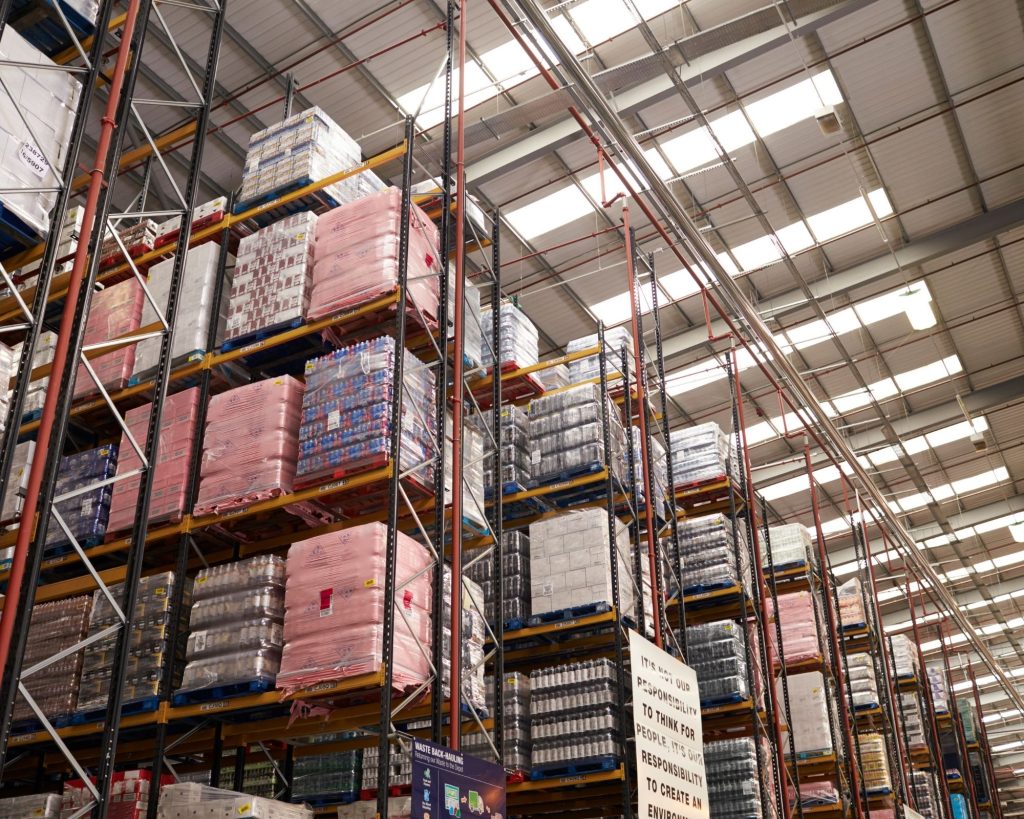
Private defence suppliers bridge critical gaps in capacity. Governments and international organisations often lack the infrastructure or expertise to manage complex supply chains in volatile regions. Suppliers provide secure logistics, tactical gear, communication systems, and meals ready to eat (MREs), ensuring that personnel are equipped and sustained in the field.
By adhering to export controls and requiring end‑user certification, suppliers reinforce lawful procurement. Their involvement strengthens trust with regulators and international partners, demonstrating that peacekeeping missions are conducted responsibly and transparently.
Key Contributions of Private Defence Suppliers
Private suppliers support peacekeeping missions in several ways:
Secure Logistics: Suppliers manage the transportation and delivery of sensitive equipment, ensuring chain‑of‑custody protocols are maintained.
Specialised Equipment: From mine detection technology to riot control gear, suppliers provide tools tailored to the unique demands of peacekeeping.
Compliance Expertise: Navigating national and international regulations is complex. Suppliers ensure that procurement meets legal standards, protecting missions from reputational or legal risks.
Operational Readiness: By delivering reliable equipment and support, suppliers enhance the ability of peacekeepers to respond quickly and effectively.
Challenges in Supplier Involvement
Despite their importance, private suppliers face challenges in peacekeeping contexts.
Security Risks: Operating in conflict zones exposes supply chains to diversion, theft, or attack.
Regulatory Complexity: Suppliers must navigate diverse national laws and international treaties, requiring meticulous documentation.
Public Perception: The involvement of private companies in peacekeeping can raise questions about accountability and profit motives.
Resource Constraints: Smaller suppliers may struggle to meet the demands of large‑scale missions, limiting their participation.
Opportunities for Strengthening Peacekeeping
Private suppliers also present opportunities to enhance peacekeeping missions.
Innovation: Advances in communication systems, tracking technologies, and data analytics improve transparency and efficiency.
Regional Cooperation: Suppliers can support harmonisation of procurement standards across African nations, strengthening collective security.
Capacity Building: By investing in training and infrastructure, suppliers help governments and organisations manage logistics more effectively.
Humanitarian Support: Beyond military operations, suppliers contribute to humanitarian missions by delivering food, medical supplies, and protective equipment.
Looking Forward
The role of private defence suppliers in peacekeeping will continue to grow. As missions become more complex, the need for secure logistics, compliant procurement, and innovative solutions will intensify. Suppliers who invest in transparency, technology, and lawful practices will position themselves as trusted partners in global security.
Conclusion
Private defence suppliers are vital to modern peacekeeping. They provide secure logistics, specialised equipment, and compliance expertise, strengthening the credibility and effectiveness of missions. Challenges such as security risks and regulatory complexity remain, but opportunities through innovation, cooperation, and capacity building are reshaping the field.
For governments, international organisations, and authorised suppliers, the path forward lies in collaboration. By combining operational expertise with strict adherence to international standards, peacekeeping missions can achieve greater resilience, accountability, and success.
Please contact us to find out how we can assist you.