
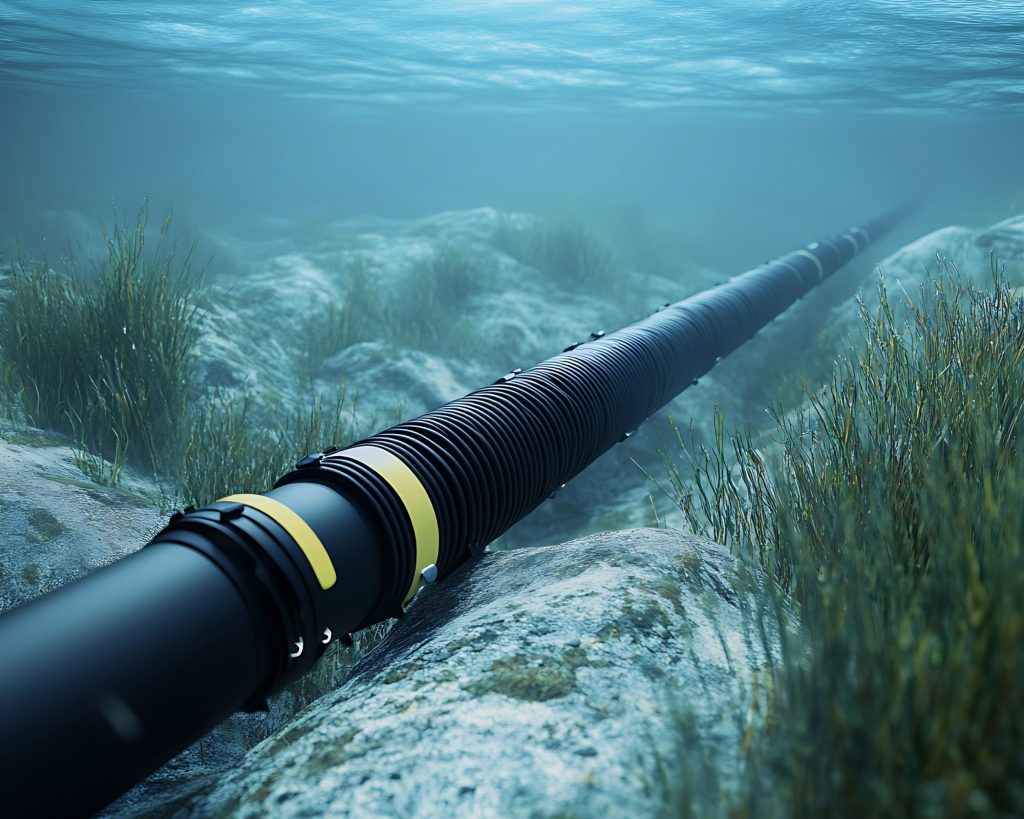
The security of underwater infrastructure has become a pressing global concern. Subsea cables, pipelines, and energy installations form the backbone of international communication, trade, and power supply. Yet these assets are increasingly vulnerable to sabotage, espionage, and environmental risks. For governments, defence agencies, and authorised suppliers, protecting subsea infrastructure is now a strategic priority that blends technology, compliance, and international cooperation.
Why Subsea Assets Matter
Underwater infrastructure is critical to modern life. Fibre‑optic cables carry the majority of global internet traffic, pipelines transport oil and gas, and offshore energy installations provide renewable power. Any disruption to these systems can have severe economic and security consequences.
For defence planners, subsea assets represent both a vulnerability and an opportunity. Protecting them ensures national resilience, while demonstrating responsibility strengthens credibility with international partners.
Emerging Threats
Several risks are driving the urgency of underwater infrastructure security:
Sabotage and Espionage: Hostile actors may target subsea cables or pipelines to disrupt communication or energy supplies.
Environmental Hazards: Natural disasters, shifting seabeds, and climate change pose risks to the integrity of subsea assets.
Technological Exploitation: Advances in unmanned underwater vehicles (UUVs) make it easier for adversaries to access and tamper with infrastructure.
Regulatory Gaps: International frameworks for subsea protection remain limited, creating challenges for enforcement and accountability.
Defence Strategies
Governments and suppliers are adopting multiple strategies to safeguard subsea assets.
Surveillance Systems: Sonar, satellite monitoring, and underwater sensors provide real‑time detection of threats.
AI Integration: Predictive analytics identify vulnerabilities and anticipate potential disruptions.
UUV Patrols: Autonomous underwater vehicles conduct regular inspections and respond to anomalies.
Secure Logistics: Chain‑of‑custody protocols ensure lawful procurement and deployment of protective equipment.
Compliance Frameworks: Adherence to international treaties and maritime law reinforces lawful operations.
Challenges in Implementation
Despite progress, protecting underwater infrastructure presents challenges.
Cost: Surveillance and patrol systems are expensive, limiting access for nations with constrained budgets.
Technical Complexity: Operating in deep‑sea environments requires advanced technology and expertise.
International Coordination: Subsea assets often cross national boundaries, complicating jurisdiction and enforcement.
Training Requirements: Personnel must be trained to operate sophisticated monitoring and patrol systems.
Public Awareness: The importance of subsea infrastructure is often overlooked, reducing political urgency for investment.
Opportunities for Innovation
Emerging technologies are creating opportunities to strengthen subsea defence.
Sensor Fusion: Combining sonar, satellite, and AI systems improves detection accuracy.
Blockchain Records: Tamper‑proof documentation enhances transparency and accountability in procurement.
Private Sector Expertise: Authorised suppliers are investing in compliant, innovative solutions that balance effectiveness with lawful deployment.
Regional Cooperation: Shared frameworks across African nations strengthen collective maritime security.
Renewable Energy Integration: Protecting offshore wind and tidal installations supports both sustainability and resilience.
Outlook
The future of underwater infrastructure security will be defined by resilience, innovation, and compliance. Nations that invest in surveillance, AI, and UUV patrols will strengthen maritime readiness and international credibility. Suppliers who integrate advanced technologies with lawful procurement will position themselves as trusted partners in global security.
Conclusion
Underwater infrastructure security is a strategic imperative in 2026. Subsea cables, pipelines, and energy installations are vital to communication, trade, and power supply, yet they face growing threats from sabotage, environmental hazards, and regulatory gaps.
For governments, law enforcement agencies, and authorised suppliers, the path forward lies in adopting innovative, compliant solutions that protect subsea assets, strengthen peacekeeping missions, and build trust with international partners. The future of maritime security will be defined by foresight, accountability, and adaptability.
Please contact us to find out how we can assist you.