
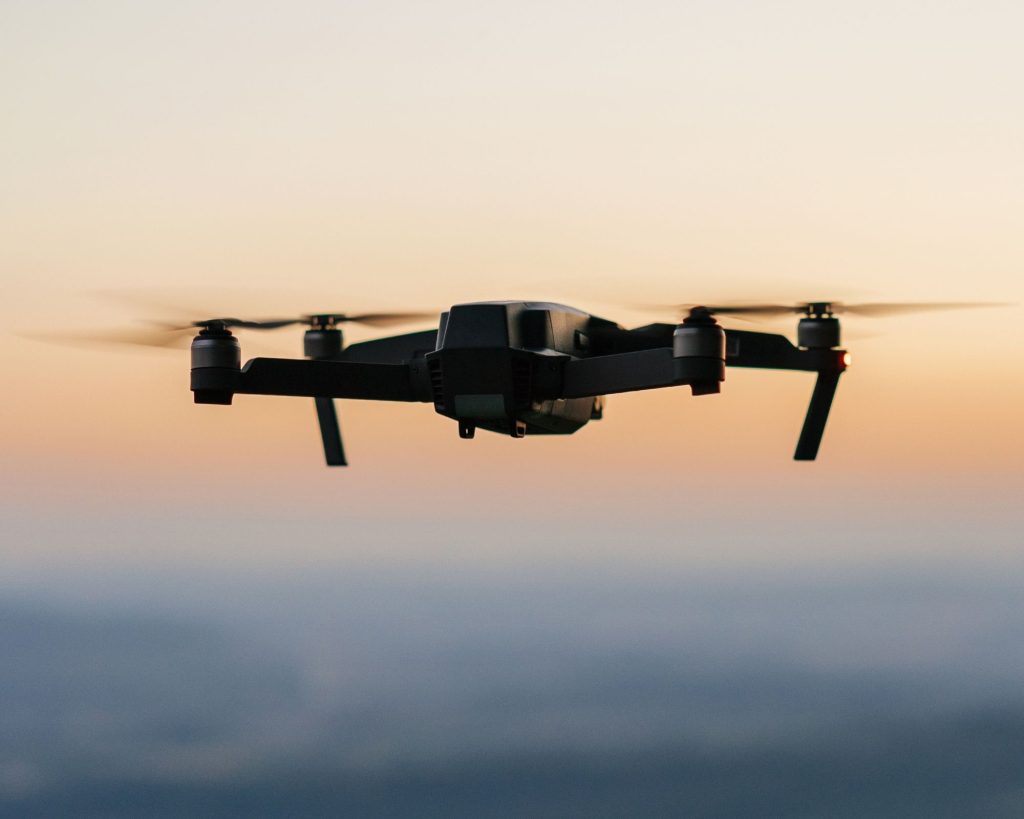
Unmanned aerial vehicles (UAVs), commonly known as drones, have become both a powerful tool and a growing threat in modern security environments. While drones support surveillance, logistics, and humanitarian missions, they are increasingly used by hostile actors for espionage, smuggling, and even attacks. In 2026, drone defence systems are at the forefront of military innovation, providing governments and authorised suppliers with solutions to detect, track, and neutralise UAV threats.
The Rising Drone Threat
The accessibility of drones has expanded rapidly. Commercial UAVs are inexpensive, easy to operate, and widely available. This accessibility creates vulnerabilities: criminal groups and insurgents can exploit drones for surveillance or delivery of contraband.
In conflict zones, drones are increasingly weaponised, carrying explosives or conducting reconnaissance. For governments and law enforcement agencies, the challenge is clear — traditional air defence systems are not designed to counter small, agile UAVs.
Core Components of Drone Defence Systems
Modern counter‑UAV solutions combine multiple technologies to provide layered protection.
Detection: Radar, radio frequency sensors, and electro‑optical cameras identify drones in real time.
Tracking: AI‑powered systems monitor flight paths, distinguishing hostile drones from authorised UAVs.
Neutralisation: Defence systems employ jamming, spoofing, or kinetic interceptors to disable or destroy drones.
Integration: Counter‑UAV platforms are integrated with communication networks, enabling rapid response and coordination among units.
Compliance: Systems must adhere to national and international regulations, ensuring lawful deployment and avoiding interference with civilian aviation.
Challenges in Counter‑UAV Deployment
Despite progress, several challenges complicate the adoption of drone defence systems.
Cost: Advanced detection and neutralisation platforms are expensive, limiting access for nations with constrained budgets.
Regulatory Complexity: Counter‑UAV systems must comply with aviation laws and spectrum regulations, adding layers of complexity.
False Positives: Distinguishing hostile drones from authorised UAVs is difficult, especially in crowded airspace.
Operational Risks: Neutralising drones in urban environments risks collateral damage.
Training Requirements: Personnel must be trained to operate complex systems effectively.
Opportunities Through Innovation
Emerging technologies are creating new opportunities to strengthen drone defence.
AI Integration: Machine learning improves detection accuracy, reducing false positives and enhancing situational awareness.
Directed Energy Weapons: Lasers and microwave systems offer precise neutralisation without physical projectiles.
Portable Systems: Mobile counter‑UAV platforms allow rapid deployment in the field, supporting both military and law enforcement operations.
Private Sector Expertise: Authorised suppliers are investing in compliant, innovative solutions that balance effectiveness with lawful deployment.
Regional Cooperation: Shared frameworks across African nations strengthen collective security against UAV threats.
Implications for Peacekeeping and Civil Security
Drone defence systems are not limited to military operations. Peacekeeping missions benefit from secure airspace, protecting personnel and civilians from UAV incursions. Law enforcement agencies use counter‑UAV tools to safeguard public events, critical infrastructure, and borders.
By adopting lawful, transparent practices, governments and suppliers demonstrate accountability while enhancing operational readiness.
Outlook
The future of drone defence will be defined by resilience, innovation, and compliance. As UAV threats evolve, nations must invest in layered systems that combine detection, tracking, and neutralisation. Suppliers who integrate AI, directed energy, and portable solutions will position themselves as trusted partners in global security.
Conclusion
Drone defence systems are essential for countering emerging threats in 2026. Challenges such as cost, regulatory complexity, and operational risks remain, but opportunities through AI, directed energy, and private sector expertise are reshaping the field.
For governments, law enforcement agencies, and authorised suppliers, the path forward lies in adopting innovative, compliant solutions that protect airspace, strengthen peacekeeping missions, and build trust with international partners. The future of counter‑UAV technology will be defined by foresight, accountability, and adaptability.
Please contact us to find out how we can assist you.