
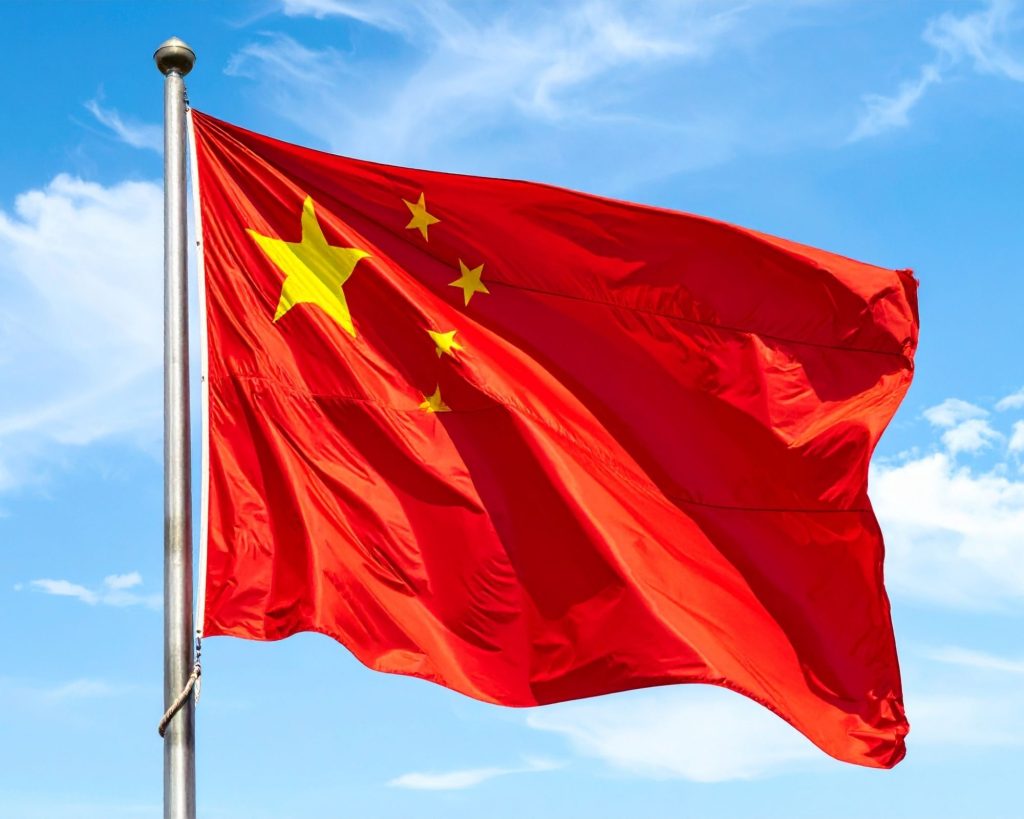
China’s defence industry has undergone rapid transformation over the past two decades, evolving from a largely domestic supplier into a global player with significant influence on international procurement. In 2026, guided by its 15th Five‑Year Plan (2026–2030), Beijing is accelerating military modernisation with a focus on advanced technologies such as artificial intelligence, quantum sensing, and counter‑hypersonic systems.
For governments and authorised suppliers worldwide, China’s defence industry represents both an opportunity and a challenge. Engagement requires careful consideration of compliance, transparency, and geopolitical context.
Historical Context and Evolution
China’s defence industry was once characterised by outdated equipment and limited export capacity. However, reforms initiated in the early 2000s under the “Made in China 2025” strategy laid the foundation for modernisation.
Today, the People’s Liberation Army (PLA) is supported by a robust industrial base that produces:
- Advanced Aircraft: Fifth‑generation fighters and transport planes.
- Naval Assets: Aircraft carriers, submarines, and destroyers.
- Missile Systems: Hypersonic and anti‑ship capabilities.
- Cyber and AI Tools: Integrated systems for command and control.
This transformation has positioned China as a competitor to traditional defence exporters such as the United States, Russia, and European nations.
Domestic Drivers of Modernisation
China’s defence industry is driven by several domestic priorities:
- PLA Modernisation: Building a globally capable military force.
- Technological Independence: Reducing reliance on foreign suppliers.
- Industrial Growth: Expanding domestic manufacturing capacity.
- National Security: Strengthening resilience against external threats.
These priorities are embedded in the Five‑Year Plan, which emphasises innovation, compliance, and global competitiveness.
Export Markets and Global Reach
China has become a major exporter of defence equipment, particularly to developing nations.
- Africa: Affordable procurement options for governments with limited budgets.
- Asia: Regional partners benefit from accessible technology.
- Latin America: Growing interest in Chinese defence exports.
While affordability is attractive, concerns about transparency and compliance remain. Some nations worry about the long‑term reliability of Chinese equipment and the geopolitical implications of procurement.
Compliance and Procurement Standards
Engagement with China’s defence industry requires careful attention to compliance:
- Export Controls: Ensuring lawful distribution of Chinese equipment.
- Transparency: Limited visibility into supply chains raises concerns.
- End‑User Certification: Documentation must verify authorised use.
- International Standards: Procurement must align with humanitarian and regulatory frameworks.
By embedding compliance into procurement, governments can mitigate risks while benefiting from Chinese innovation.
Challenges in 2026
China’s defence industry faces several challenges:
- Geopolitical Tensions: Rivalries with the United States and allies complicate procurement.
- Technology Maturity: Some advanced systems remain experimental.
- Trust Deficits: Concerns about intellectual property and compliance persist.
- Regulatory Complexity: Navigating national and international frameworks is difficult.
These challenges highlight the need for governments to balance affordability with accountability.
Opportunities Through Innovation
Despite challenges, China’s defence industry offers opportunities:
- AI Integration: Enhancing command and control systems.
- Quantum Technology: Promising breakthroughs in sensing and encryption.
- Affordable Procurement: Lower costs compared to Western suppliers.
- Regional Cooperation: Shared procurement frameworks can strengthen oversight.
- Private Sector Expertise: Chinese firms are investing heavily in innovation.
These opportunities position China as a significant player in global defence procurement.
Implications for Global Procurement
China’s growing role in defence procurement has implications for governments worldwide. Affordable exports may strengthen security in developing nations, but engagement must be balanced with compliance and geopolitical considerations.
For African nations, Chinese equipment offers accessible options, but procurement must be lawful and transparent. For Western allies, China’s rise represents a competitive challenge that requires innovation and cooperation.
Conclusion
The Chinese defence industry in 2026 is defined by rapid modernisation, global ambition, and technological innovation. Challenges such as geopolitical tensions, trust deficits, and regulatory complexity remain, but opportunities through AI, quantum technology, and affordable procurement are driving progress.
For governments, law enforcement agencies, and authorised suppliers, the path forward lies in adopting innovative, compliant solutions that balance affordability with accountability. By investing in lawful procurement, nations can strengthen security, support peacekeeping missions, and build trust with international partners. The future of global defence procurement will be shaped by China’s rise, demanding foresight, resilience, and compliance.