
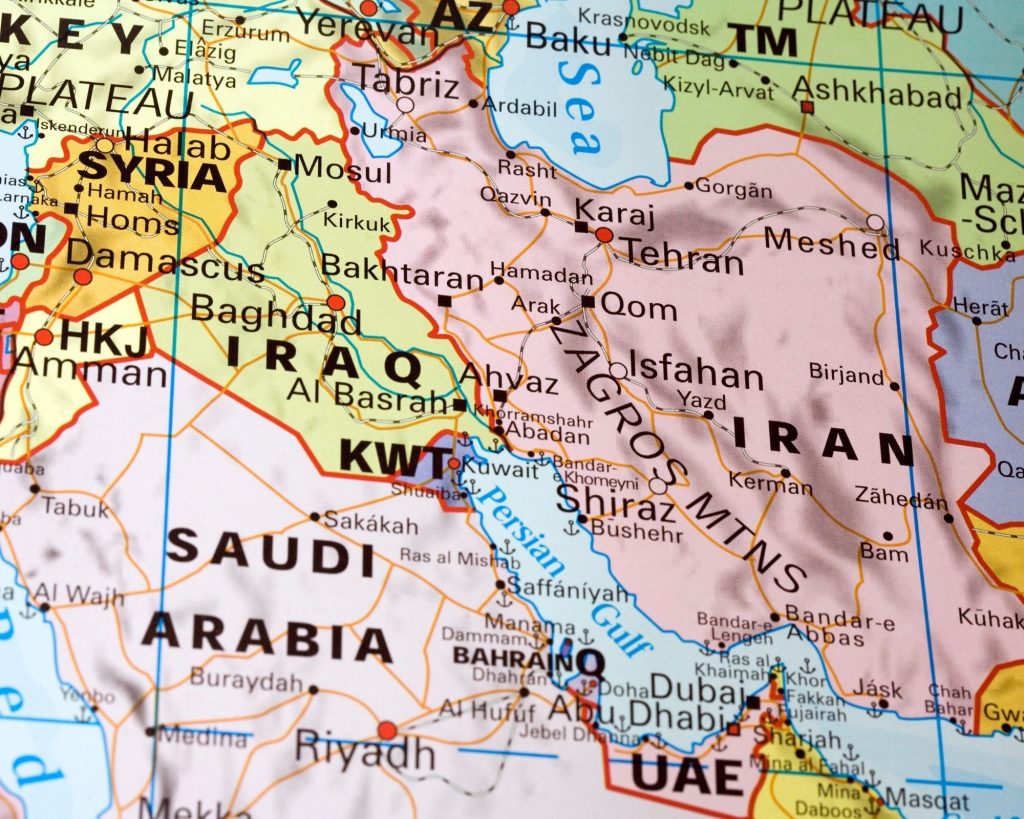
Security and peacekeeping operations in Africa and the Middle East have become increasingly complex in 2026. From counter‑terrorism missions in the Sahel to stabilisation efforts in Syria and Yemen, governments and international organisations face diverse challenges. Military suppliers play a crucial role in supporting these missions, providing equipment, logistics, and compliance frameworks that ensure lawful and effective procurement.
For authorised suppliers such as FUSA, the emphasis is not only on delivering reliable equipment but also on ensuring transparency, accountability, and alignment with international humanitarian standards.
Regional Security Challenges
Africa and the Middle East face distinct but interconnected security challenges:
- Africa: Insurgencies in the Sahel, piracy in the Gulf of Guinea, and instability in fragile states demand robust peacekeeping operations.
- Middle East: Ongoing conflicts in Syria, Yemen, and Iraq highlight the need for stabilisation and humanitarian support.
- Transnational Threats: Terrorism, organised crime, and cyber attacks affect both regions.
- Humanitarian Crises: Conflict often coincides with displacement, famine, and fragile governance.
These challenges require coordinated responses that combine military capability with humanitarian responsibility.
The Role of Peacekeeping Missions
Peacekeeping missions in Africa and the Middle East are central to maintaining stability.
- United Nations Operations: Missions in Mali, South Sudan, and Lebanon provide security and humanitarian support.
- African Union Initiatives: Regional forces address insurgencies and cross‑border threats.
- Coalition Efforts: Multinational operations in Iraq and Syria target terrorism and stabilisation.
Peacekeeping missions rely on secure procurement systems to deliver equipment, food, and medical supplies. Without lawful procurement, missions risk losing credibility and effectiveness.
Military Suppliers and Procurement
Military suppliers play a vital role in supporting peacekeeping and security operations.
- Equipment Provision: Suppliers deliver protective gear, vehicles, and non‑lethal weapons.
- Logistics Support: Secure supply chains ensure timely delivery of critical resources.
- Compliance Frameworks: Suppliers must adhere to export controls, end‑user certification, and transparency standards.
- Innovation: Emerging technologies such as AI and blockchain strengthen procurement systems.
By embedding compliance into procurement, suppliers reinforce accountability and build trust with governments and international partners.
Challenges in 2026
Despite progress, several challenges remain in procurement for peacekeeping missions:
- Cost: Advanced technologies can be expensive, limiting access for nations with constrained budgets.
- Training Requirements: Personnel must be trained to operate new equipment effectively.
- Public Perception: Misuse of military equipment can erode trust in peacekeeping missions.
- Regulatory Complexity: Navigating national laws and international frameworks adds layers of responsibility.
Addressing these challenges requires collaboration between governments, suppliers, and international organisations.
Opportunities Through Innovation
Emerging technologies are creating opportunities to strengthen procurement and peacekeeping:
- AI Integration: Predictive analytics help anticipate threats and optimise logistics.
- Blockchain Records: Tamper‑proof documentation ensures transparency and accountability.
- Eco‑Friendly Materials: Sustainable gear demonstrates responsibility and reduces environmental impact.
- Regional Cooperation: Shared procurement frameworks across African and Middle Eastern nations strengthen collective security.
- Private Sector Expertise: Authorised suppliers are investing in compliant, innovative solutions that balance effectiveness with lawful procurement.
These opportunities position suppliers as trusted partners in global peacekeeping efforts.
Implications for Humanitarian Missions
Peacekeeping is not limited to military operations. Humanitarian missions rely on secure procurement systems to deliver aid in fragile environments.
- Food and Medical Supplies: Secure supply chains ensure timely delivery to vulnerable populations.
- Protective Equipment: Non‑lethal gear supports humanitarian workers in volatile regions.
- Transparency: Lawful procurement builds credibility with local communities and international partners.
By adopting compliant practices, suppliers demonstrate accountability while enhancing operational readiness.
Conclusion
Security and peacekeeping in Africa and the Middle East in 2026 are defined by complexity, innovation, and compliance. Military suppliers play a crucial role in supporting missions, providing equipment, logistics, and frameworks that ensure lawful procurement.
Challenges such as cost, training, and regulatory complexity remain, but opportunities through AI, blockchain, and regional cooperation are driving progress. For governments, law enforcement agencies, and authorised suppliers, the path forward lies in adopting innovative, compliant solutions that balance effectiveness with accountability.
By investing in lawful procurement, nations can strengthen peacekeeping missions, support humanitarian operations, and build trust with international partners. The future of security in Africa and the Middle East will be defined by foresight, resilience, and responsibility.